IPRoyal vs. LunaProxy: How They Compared, and What Changed
Software comparisonsLunaProxy is no longer operating. Here's how it compared to IPRoyal, and what former LunaProxy users should know when switching.


Arevika Ambarcumian
Key Takeaways
-
LunaProxy collapsed overnight because it relied on IPIDEA, a massive backend network that Google disrupted for enrolling millions of consumer devices without their owners' knowledge.
-
IPRoyal is a great alternative for former LunaProxy users because it provides a large 68M+ IP pool, diverse proxy types, non-expiring traffic, and flexible sticky sessions.
-
To make the switch between providers easier, map your old proxy types directly to your new proxy service.
On January 28, 2026, Google disrupted IPIDEA, a massive proxy network that secretly powered over a dozen brands. LunaProxy went offline immediately, leaving their users stranded.
If you’re one of them, comparing what LunaProxy used to offer against IPRoyal is the best way to figure out exactly what you need from your next proxy provider .
What Happened to LunaProxy?
On January 28, 2026, Google’s Threat Intelligence Group exposed LunaProxy as a front for IPIDEA, one of the world’s largest malicious proxy networks.
IPIDEA hijacked millions of IPs by hiding software development kits inside ordinary mobile and desktop apps. In response, Google partnered with other tech companies to seize the command-and-control domains running the entire operation.
The takedown crippled IPIDEA overnight, instantly killing the connections that LunaProxy customers depended on.
IPRoyal vs. LunaProxy: How They Compared
Before the takedown, buyers usually compared these two providers based on network size and pricing. Here is how they stacked up:
| Feature | IPRoyal | LunaProxy |
|---|---|---|
| Pool size | 68M+ IPs | Claimed 200M IPs* |
| Locations | 195+ countries | Claimed 195+ countries |
| Proxy types | Residential, datacenter, ISP, mobile | Residential, datacenter, ISP |
| Targeting | Country, city, and state-level included | Country, state, city, and ISP-level |
| Session length | Sticky sessions up to 7 days | Rotated between 1 and 90 minutes |
| Protocols | HTTP, HTTPS, SOCKS5 | HTTP, HTTPS, SOCKS5 |
| Pricing | Pay-as-you-go, no expiration | Pay-as-you-go, daily, and monthly plans |
| Support | 24/7 live chat and Discord | Email tickets, chatbots |
Independent reviewers who tested the network concluded that LunaProxy’s 200 million figure was significantly overstated.
Residential Proxies Compared
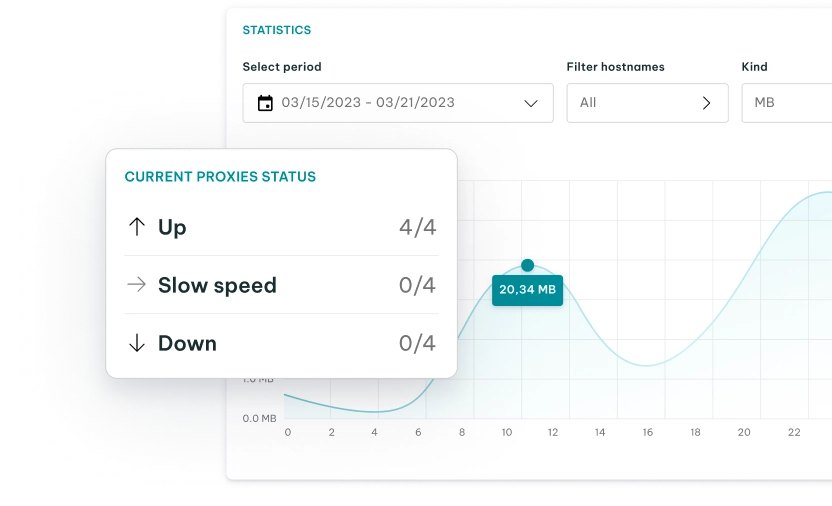
IPRoyal delivers a pool of over 64M IPs across 195+ countries, including country-, state-, and city-level targeting. The service also stands out for connection stability, offering sticky sessions that last up to 7 days, a 99.4% success rate, and average response times of ~0.5 seconds.
Global Pool, Precise Targeting, Zero Contracts
Premium Residential Proxies
LunaProxy marketed a 200M+ IP pool across 195+ countries, though independent testing put the real number far lower. Also, their sticky sessions capped at 90 minutes, which wasn’t ideal for users who needed to hold single connections for longer periods.
Their heavily promoted “unlimited traffic” plans were limited to 50 countries, and the US, UK, and Australia weren’t included.
Datacenter, ISP, and Mobile Proxies
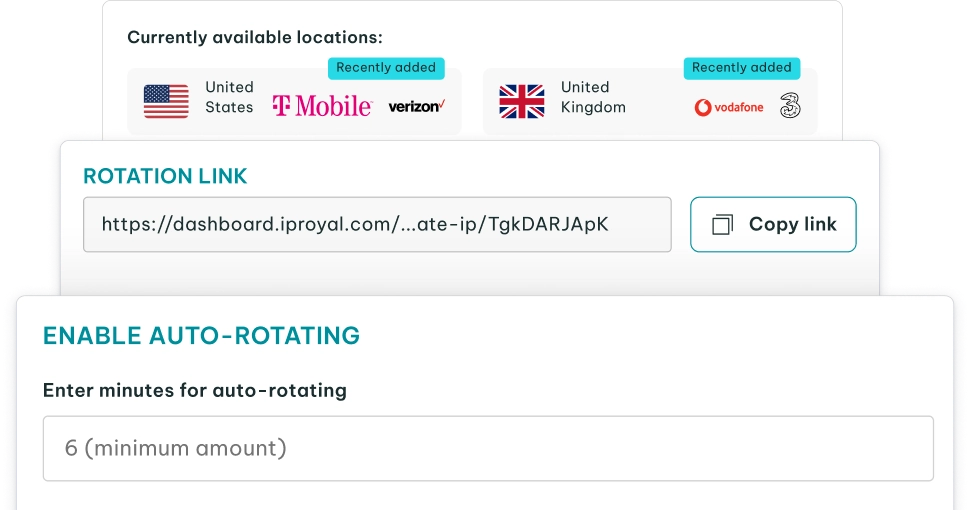
Beyond residential IPs, both proxy providers offered specialized proxies for specific automation tasks. IPRoyal supplies datacenter IPs across 60+ countries starting at $1.39 per proxy, and high-speed ISP options that combine datacenter speeds with residential trust scores. For tasks that require real cellular connections, they also offer dedicated mobile proxies starting at $10.11 per day.
LunaProxy, on the other hand, limited datacenter IPs to about 7 countries and ISP proxies to about 20 locations. As for mobile proxies, they offer none, so users who needed cellular IPs had to look elsewhere.
Pricing Compared
IPRoyal uses a pay-as-you-go and monthly subscription model. Residential proxies start at $7/GB, which drops to $1.75/GB at bulk volumes, and the data you purchase never expires.
If you relied on their unlimited residential plans before the shutdown, IPRoyal’s ISP and datacenter proxies are your closest replacements, since they’re billed per IP rather than per GB, with unlimited sessions and limitless traffic (fair usage policy applies).
LunaProxy marketed cheap data by pricing residential bandwidth entry-level plan at $3.3/GB, with unlimited traffic tiers. If you relied on their unlimited residential plans before the shutdown, IPRoyal’s ISP and datacenter proxies are your best replacements since they also offer unlimited bandwidth by default.
Migrating From LunaProxy to IPRoyal
To minimize downtime during the switch, here’s exactly how to map your old LunaProxy plans to IPRoyal:
- Limited residential plans move to IPRoyal residential bandwidth.
- Unlimited residential plans move to IPRoyal ISP or datacenter proxies.
- ISP and datacenter packages map directly to their IPRoyal equivalents.
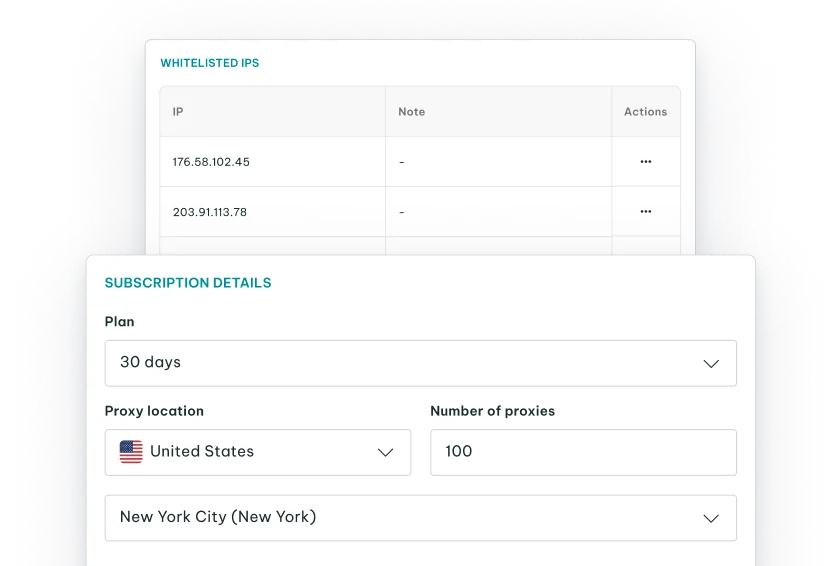
Your code shouldn’t need many changes. Both platforms support HTTP, HTTPS, and SOCKS5, and both allow you to authenticate via username and password or IP whitelisting.
The only real adjustments you will make are taking advantage of IPRoyal’s upgraded features, like configuring the 7-day sticky sessions, for example.
FAQ
What happened to LunaProxy?
On January 28, 2026, Google dismantled IPIDEA, the hidden proxy network that actually powered LunaProxy, and took its servers offline permanently.
What’s the best LunaProxy alternative?
IPRoyal is the strongest replacement because it offers reliable IP sourcing, free city-level targeting, and a strictly pay-as-you-go model with no monthly minimums.
How does IPRoyal’s pricing compare to what LunaProxy charged?
LunaProxy was famous for cheap data starting around $0.70/GB. IPRoyal costs more upfront, starting at $7.35/GB and scaling down to $1.75/GB for bulk orders. However, IPRoyal bandwidth never expires, so you never lose unused data.
Does IPRoyal offer unlimited traffic plans?
Not in the unmetered sense LunaProxy marketed. IPRoyal’s ISP and datacenter proxies are billed per IP rather than per GB, with unlimited concurrent sessions and unrestricted traffic (fair usage policy does apply).
Can I use the same proxy setup after switching?
Mostly, yes. Your authentication methods and protocols will still work perfectly. You just need to update your endpoint URLs and configure your code to take advantage of the longer sticky sessions offered by IPRoyal.